


مقدمة: أحلى من التاريخ
بينما يرفع العالم كأساً احتفالاً بثقافة النبيذ التي تعود إلى 8000 عام في جورجيا، تدور ثورة أكثر هدوءاً ونشاطاً في مروج جبال الألب والغابات شبه الاستوائية في القوقاز. لا يعتبر العسل في جورجيا مجرد مُحليّ؛ إنه قطعة أثرية من الحضارة. فقد كشفت الاكتشافات الأثرية بالقرب من قرية Sakire عن أوعية عسل يعود تاريخها إلى 5500 عام - أي أقدم بألفي عام من العسل الشهير الذي تم العثور عليه في قبر توت عنخ آمون. وهذا يجعل جورجيا ليست فقط مهد النبيذ، بل من المحتمل أن تكون مهد تربية النحل بحد ذاتها.
ملكة الجبال: Apis Mellifera Caucasia
يكمن السر وراء المذاق المكثف للعسل الجورجي في المهندس المعماري الخاص به: نحلة جبال القوقاز الرمادية. تمتلك هذه النحلة، المشهورة عالمياً بين النحالين، قوة عظمى فريدة: أطول خرطوم (لسان) لأي نوع من أنواع نحل العسل، بمتوسط 7.1 ملم إلى 7.3 ملم.
تسمح هذه الميزة التشريحية لنحلة القوقاز باستخراج الرحيق من أزهار جبال الألب العميقة، مثل البرسيم الأحمر، التي لا يمكن للنحل الآخر الوصول إليها. إن طبيعتها اللطيفة وقدرتها على العمل في المناخات الجبلية الباردة والضبابية تجعلها الحارس المثالي للتنوع البيولوجي في القوقاز العالي. وفي الواقع، حصلت على العديد من الميداليات الذهبية في المؤتمرات الدولية لإنتاجيتها ومرونتها.
جارا (Jara): تقليد الخلية البرية
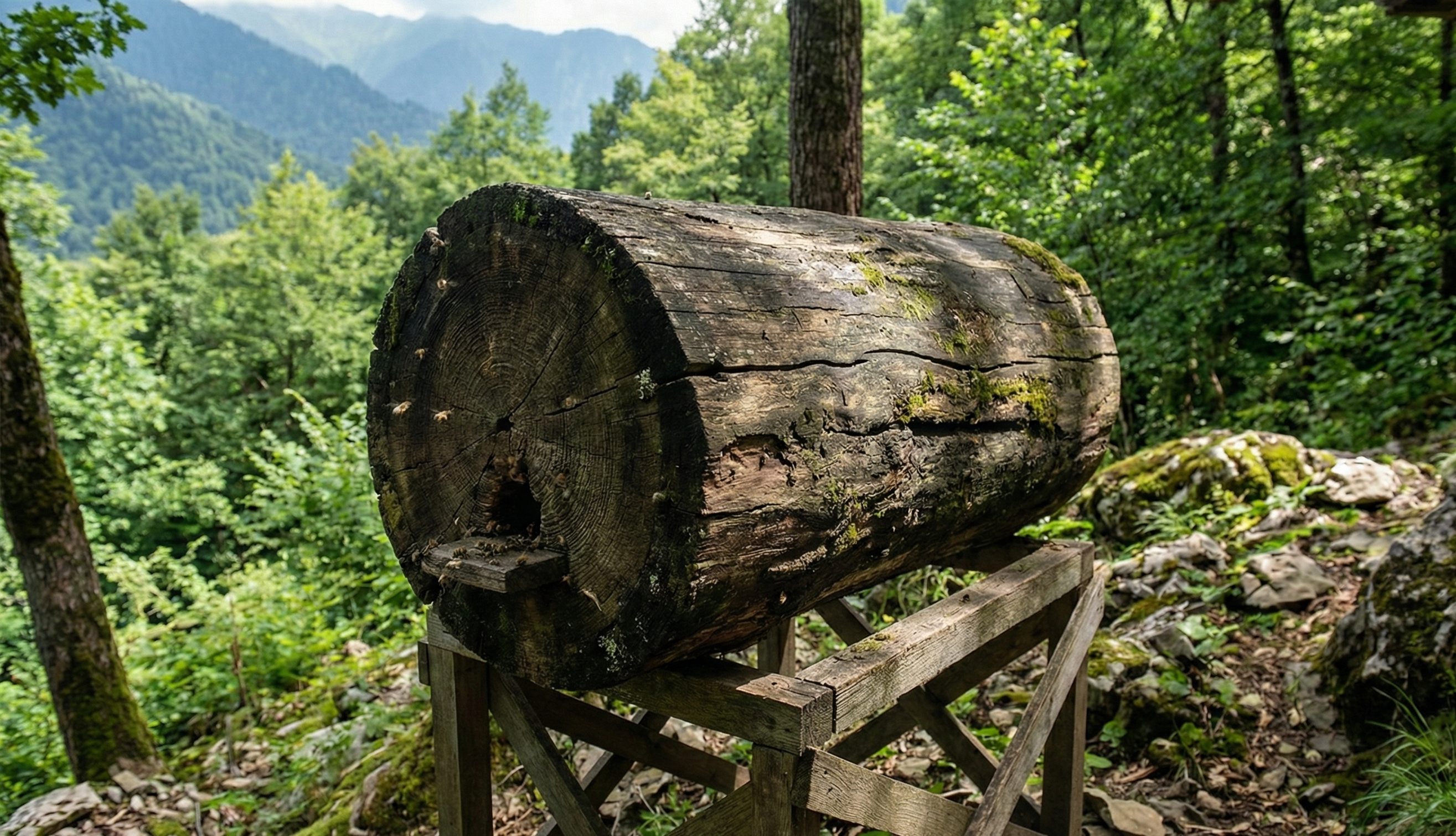
في أعماق المرتفعات الحرجية في أجاريا، تمثل ممارسة تُعرف باسم تربية النحل جارا (Jara) الجسر الفاصل بين الطبيعة والزراعة. خلايا 'جارا' عبارة عن جذوع خشبية مجوفة، غالباً ما تُصنع من أشجار الزيزفون (Tilia Caucasica)، وتُوضع على ارتفاع عالٍ على المنحدرات أو في تيجان الغابات لتقليد التجاويف الطبيعية للأشجار.
“جارا هي أكثر من مجرد طريقة؛ إنها شراكة مع البرية. يبني النحل أمشاطه بدون أساسات شمعية صناعية، ويتم حصاد العسل مرة واحدة فقط في السنة، مما يضمن احتفاظ المستعمرة بمخزون شتوي كافٍ.”
يُعترف بعسل جارا باعتباره تراثاً ثقافياً غير مادي لجورجيا، وهو طعام شهي نادر متعدد الأزهار. ولأنه يُحصد مع قرص العسل ولا يحتوي على أي إضافات أو شمع صناعي، فإنه يُعتبر من أنقى المنتجات العضوية في السوق العالمية.
لوحة من الذهب السائل: أصناف يجب تجربتها
تنتج المناطق المناخية المتنوعة في جورجيا أصنافاً متميزة من العسل والتي تُستخدم كأدوية تقليدية:
- عسل الكستناء (أجاريا): داكن، قوي، ومر قليلاً. ويُحظى بتقدير كبير لمحتواه المعدني العالي ويستخدم تقليدياً لعلاج مشاكل الدورة الدموية.
- عسل الأكاسيا (كاخيتي): صافٍ كالدموع وبطيء التبلور. تجعله مكوناته الزهرية الرقيقة مفضلاً للأطفال وأولئك الذين يعانون من حساسية في الهضم.
- عسل جبال الألب: يُحصد هذا العسل متعدد الأزهار على ارتفاعات تزيد عن 2000 متر، ويحتوي على رحيق من الزهور المستوطنة، مما يوفر خصائص قوية مضادة للبكتيريا.
- العسل المجنون (Matrobela): عسل نادر مُهلوس يُستخرج من رحيق زهور (Rhododendron ponticum) الموجودة في غرب جورجيا. يُستخدم بجرعات طبية صغيرة جداً، وهو مشهور بآثاره "الُمسكرة".
2026: العصر الذهبي الجديد
اعتباراً من أوائل عام 2026، كثفت جورجيا تركيزها على إصدار الشهادات الحيوية (العضوية) وتتبع السلاسل (blockchain) لتلبية لوائح وضع العلامات الصارمة الجديدة في الاتحاد الأوروبي. نجحت جمعية مربي نحل جارا في مساعدة العشرات من المناحل المحلية في تحقيق الوضع العضوي، وفتح الأبواب أمام الأسواق المتميزة في الولايات المتحدة واليابان ودول الخليج. بالنسبة للمسافر الحديث، فإن زيارة منحل في مضيق ماتشاخيلا (Machakhela) توفر أكثر من مجرد تذوق؛ بل هي درس في كيف يمكن للتقاليد القديمة أن توفر مخططاً للزراعة المستدامة في المستقبل.
الخاتمة
في جورجيا، يُعد مرطبان العسل بمثابة زجاجة من أشعة الشمس والتاريخ. من تلال الدفن القديمة في منطقة (Sakire) إلى مزارع 'جارا' المستدامة الحديثة، يظل هذا الذهب السائل دليلاً على ثقافة تنظر إلى الطبيعة ليس كمورد، بل كشريك مقدس. في زيارتك القادمة، انظر إلى ما وراء مزارع الكروم - الحلاوة الحقيقية للقوقاز تنتظرك في خلية النحل.
المصادر: Georgia Travel، Jara Beekeepers Association، ودراسات حبوب اللقاح التي أجرتها إليسو كفافادزه من منصة ResearchGate.

